
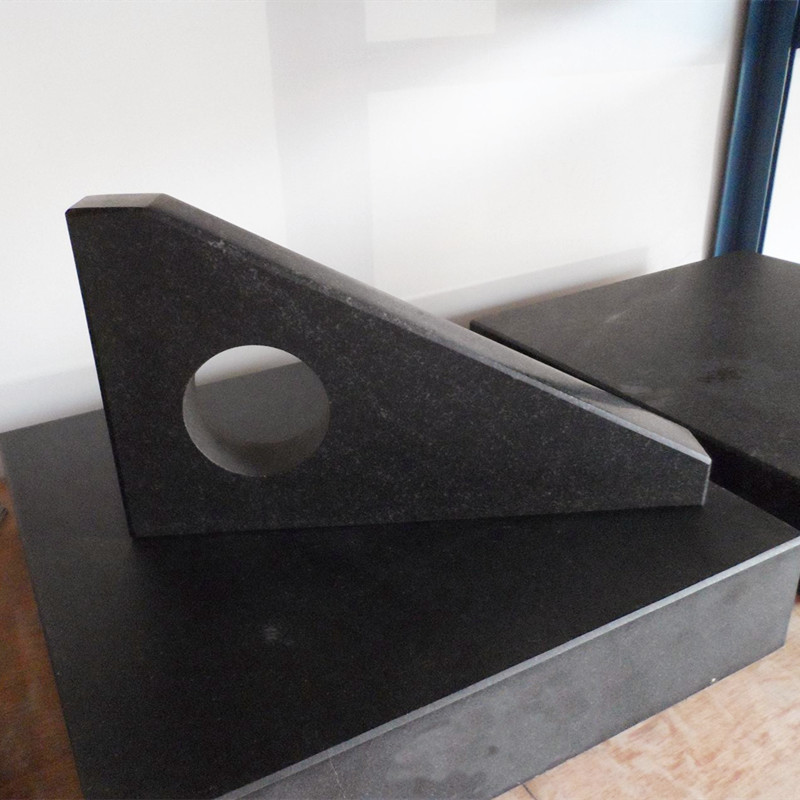
mirror with back light
Understanding Level Supplier Relationships in Supply Chain Management In today's complex global marketplace, businesses rely heavily on their supply chains to deliver products and services efficiently. One crucial aspect of supply chain management is the concept of level suppliers. Level suppliers are categorized based on their ability to meet specific criteria that ensure quality, reliability, and efficiency. This article explores the significance of level suppliers, their classification, and their impact on supply chain performance. Definition and Classification of Level Suppliers Level suppliers can be classified into several tiers based on their strategic importance and the role they play in the supply chain. The most common classifications include 1. Tier 1 Suppliers These suppliers have a direct relationship with the company, providing essential components or services. They are typically key partners and are involved in the design and development of products. 2. Tier 2 Suppliers These suppliers provide materials or components that are used by Tier 1 suppliers. Although they may not interact directly with the primary enterprise, their reliability is critical for the uninterrupted flow of production. 3. Tier 3 Suppliers Often considered indirect suppliers, Tier 3 suppliers provide raw materials or sub-components needed by Tier 2 suppliers. While they might not be directly engaged with the primary business, their performance can significantly influence the supply chain's overall efficiency. The classification of suppliers into these tiers helps organizations prioritize their relationships and manage risk effectively. Understanding the supplier levels aids businesses in developing appropriate strategies for supplier management, risk mitigation, and quality assurance. Importance of Level Suppliers Having a robust base of level suppliers is vital for any organization . Here are a few reasons why they are essential for supply chain success 1. Quality Assurance Level suppliers play a pivotal role in maintaining product quality. By working closely with Tier 1 suppliers, organizations can ensure that the materials sourced from Tier 2 and Tier 3 suppliers meet the necessary standards. This collaboration leads to higher product quality and minimizes defects. level supplier 2. Risk Management Diversifying supplier relationships across different levels helps mitigate risks associated with supply chain disruptions. If a Tier 1 supplier encounters problems, organizations can quickly turn to Tier 2 or Tier 3 suppliers to maintain production continuity, ensuring that operations are not adversely affected. 3. Cost Efficiency By establishing relationships with multiple levels of suppliers, companies can leverage competitive pricing. Tier 2 and Tier 3 suppliers may offer more cost-effective solutions, allowing organizations to optimize their cost structures without compromising on quality. 4. Innovation and Collaboration Level suppliers often contribute to innovative processes and products. Collaborating with suppliers at various levels fosters an environment where new ideas can flourish, driving technological advancements and improving overall business performance. Managing Level Supplier Relationships To maximize the benefits of level supplier relationships, organizations should adopt strategic approaches, including - Supplier Assessment Regularly assessing suppliers based on performance metrics, quality standards, and delivery timelines ensures that businesses partner with capable organizations. This includes conducting audits and monitoring KPIs to maintain high operational standards. - Open Communication Maintaining transparent and open lines of communication with suppliers at all levels fosters collaboration. Companies can share forecasts, production plans, and challenges, creating a more responsive and agile supply chain. - Supplier Development Programs Investing in supplier development initiatives can enhance supplier capabilities. Providing training, resources, and support encourages suppliers to improve their processes, leading to better overall supply chain performance. - Long-term Partnerships Developing long-term relationships with suppliers promotes loyalty and commitment. By establishing strategic alliances, companies can work collaboratively on new projects, improve efficiency, and innovate together. Conclusion In conclusion, level suppliers are integral to effective supply chain management. By understanding supplier classifications and managing relationships strategically, businesses can enhance quality, reduce risks, and drive innovation. As the global supply chain landscape evolves, organizations that prioritize their level suppliers will be better positioned to adapt and thrive in an increasingly competitive environment.
about
mirror with back light
Understanding Metric Ring Gages A Detailed Overview In the realm of precision engineering, measurement plays a crucial role in ensuring the quality and accuracy of manufactured components. Among the various tools available for quality control, metric ring gages stand out as essential instruments for assessing the dimensional tolerances of cylindrical parts. This article delves into the significance of metric ring gages, their design, applications, and best practices for effective usage. What are Metric Ring Gages? Metric ring gages are precision measuring tools used to inspect the diameter of external cylindrical parts. They come in two primary types go and no-go gages. The go gage checks the minimum acceptable diameter, ensuring that the part can fit properly within a specified tolerance range. The no-go gage, on the other hand, verifies that the part does not exceed the maximum diameter specification. This dual approach allows manufacturers to maintain high standards of quality control by ensuring that components neither underperform due to being too small nor face issues due to being overly large. Design Features Metric ring gages are typically made from high-strength materials such as steel, carbide, or other durable alloys to withstand repeated use without significant wear. Their internal surfaces are ground to a high degree of precision, and they may also be subjected to heat treatment to enhance hardness and durability. The gages are calibrated to specific metric dimensions, making them suitable for international engineering applications. Common metric sizes typically fall within the range of 1mm to over 100mm, allowing for versatile usage across various industries. Applications The applications of metric ring gages are widespread and can be found in industries such as automotive, aerospace, manufacturing, and quality assurance laboratories. In the automotive sector, for example, they are critical for inspecting components like shafts, bearings, and gears, where precise fit is vital for performance and safety. In aerospace, where reliability is paramount, metric ring gages ensure that parts meet stringent quality standards. Moreover, these gages are valuable for assembly line processes where parts are frequently produced and measured. By implementing rigorous quality checks with metric ring gages, manufacturers can significantly reduce the risk of defects and improve overall production efficiency . metric ring gages Best Practices for Usage To maximize the effectiveness of metric ring gages, several best practices should be followed 1. Calibration Regular calibration of gages is essential to maintain accuracy. This should be done according to the manufacturer's recommendations or industry standards. 2. Cleaning Gages should be kept clean and free of contaminants. Dirt or machining residue can affect measurement accuracy, leading to potential misjudgments in part quality. 3. Storage Proper storage is crucial to prevent damage. Gages should be stored in protective cases and handled with care to avoid dropping or scratching them. 4. Training Ensure that personnel using the gages are adequately trained. Understanding how to use the tool correctly promotes effective measurements and reduces the likelihood of operator error. 5. Limitations Awareness Users should be aware of the limitations of metric ring gages, including temperature effects and material properties, which can influence measurement results. Conclusion Metric ring gages serve as indispensable tools in the field of precision measuring, playing a vital role in ensuring that manufactured components meet strict quality standards. By understanding their design, applications, and best practices for effective usage, manufacturers can enhance their measurement processes, leading to higher product quality and greater customer satisfaction. As technology continues to advance, the reliance on accurate and efficient measuring tools like metric ring gages will only grow, solidifying their importance in modern engineering and manufacturing.
-

High quality industrial productsagement

High quality industrial products
View Details -

Meet the diverse needs of customers

Meet the diverse needs of customers
View Details -

Strict quality control

Strict quality control
View Details -

Top raw materials

Top raw materials
View Details -

Trusted supplier

Trusted supplier
View Details
Our application
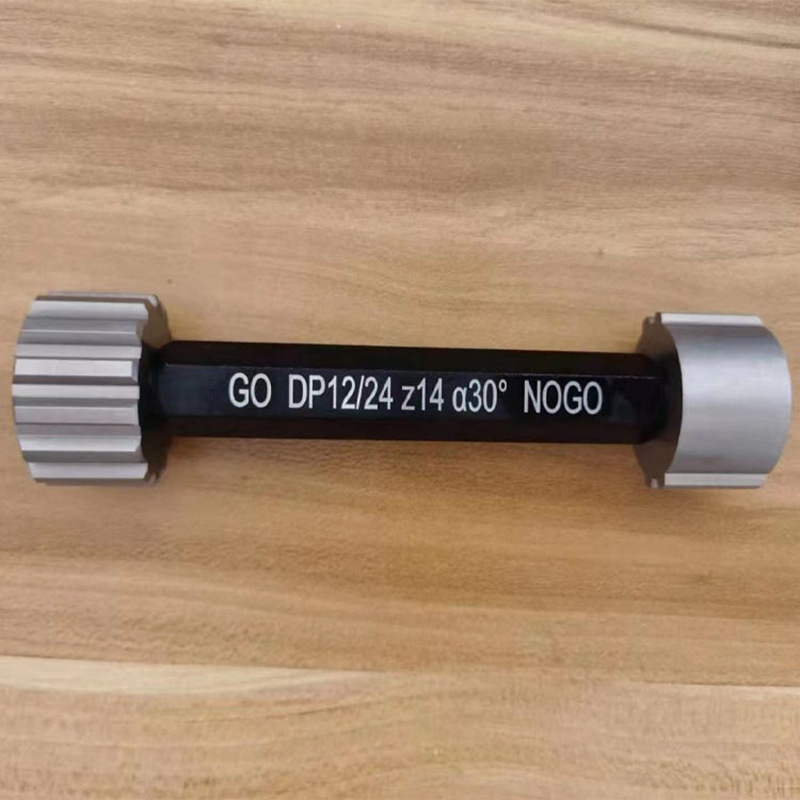


news and information
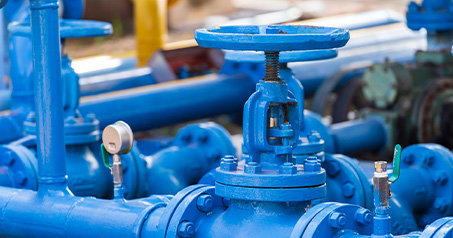
Válvula borterilha de 1,5 polegadas para aplicações industriais e de encanamento.
Válvula Borboleta de 1.5 Polegadas Um Componente Essencial na Indústria As válvulas borboleta desemp
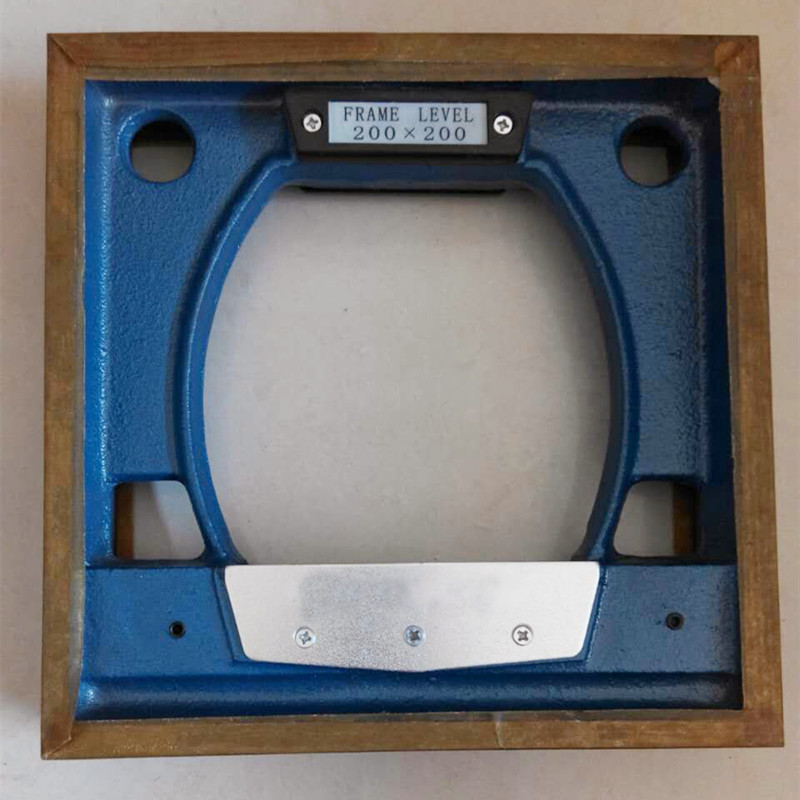
Y turi filtr uchun strainer va suyuqlik tozalash tizimlari
Y Turi Filteri va Suvni Tozalashda Uning O'rni Y turi filtri suvni tozalashda muhim rol o'ynaydi. Bu
válvula de retenção de água unidirecional
Válvula de Retenção de Água Unidirecional Funcionamento e Aplicações As válvulas de retenção de água
 English